Timber gates
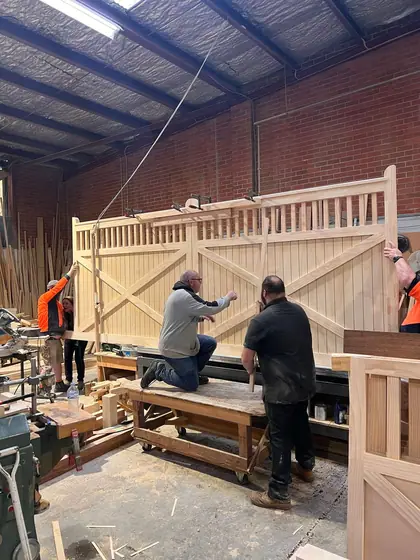
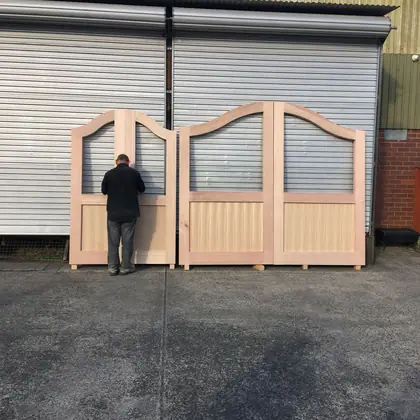
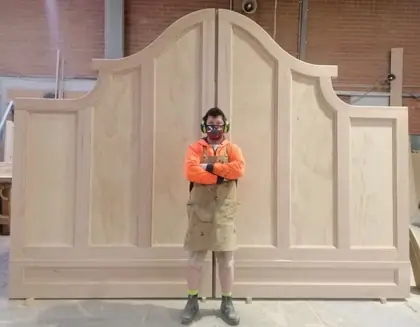
Assembly photographs and finished gate examples from our workshop and product archive.
See gates being madeQuote list
The range · Made in Bayswater, Melbourne · Delivery Australia wide
Made-to-measure pedestrian timber gates start at $925. The final quote depends on the gate design and your opening measurements.
See the range and ask for a price →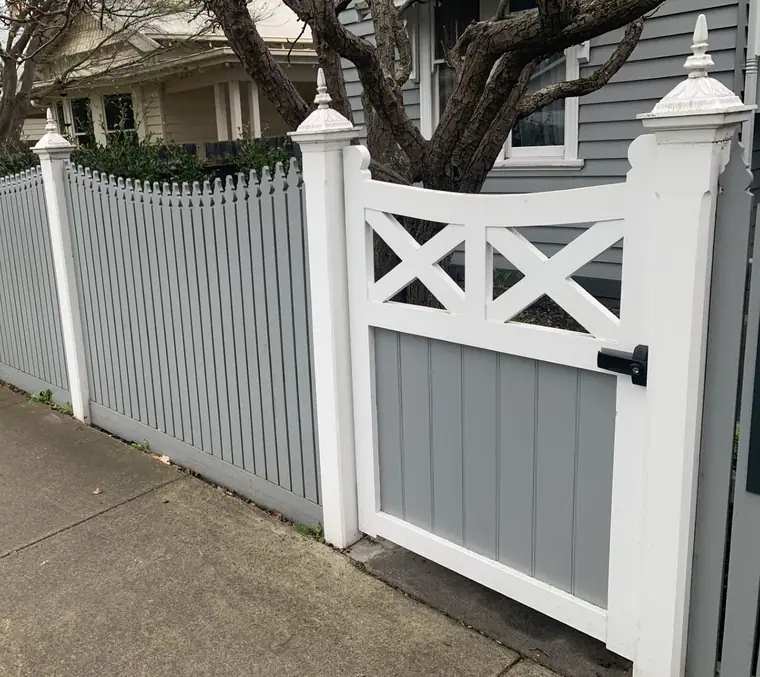
The range
11 photographed · 1 scale profile · 12 product codes. Select any one to see it larger.
In the shop
These 46 are made to your own sizes, so each one is quoted rather than priced. They are photographed in the shop — add what you need and send it to us as one quote request with your measurements.
What you get
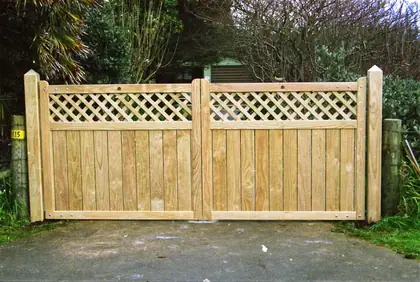
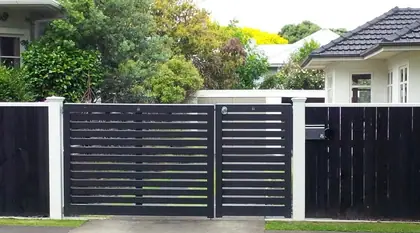
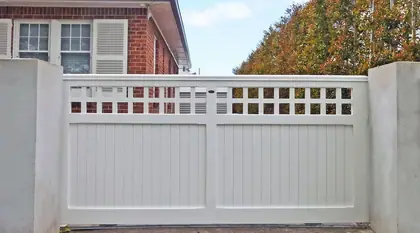
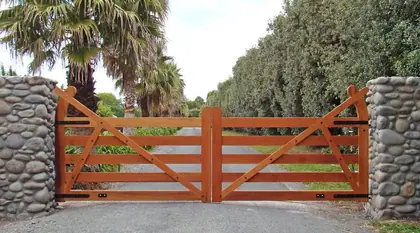
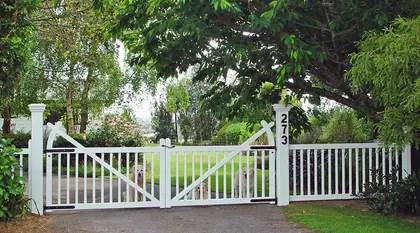
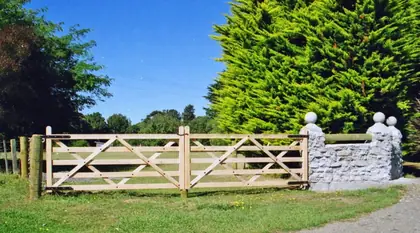
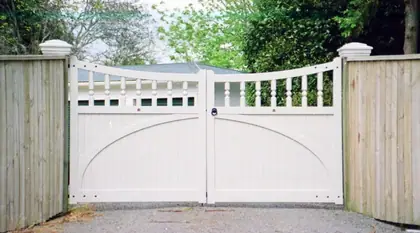
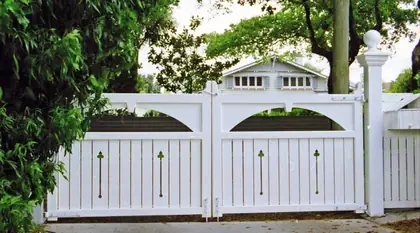
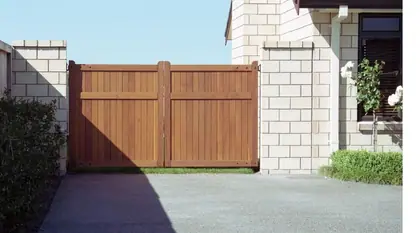
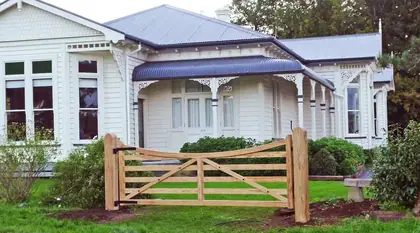
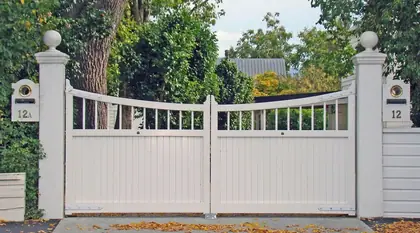
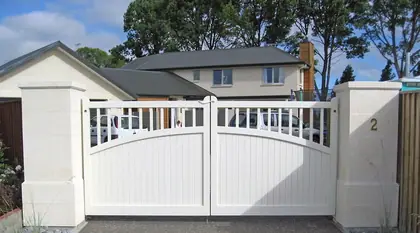
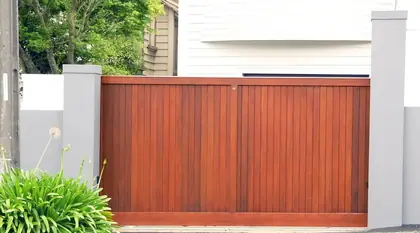
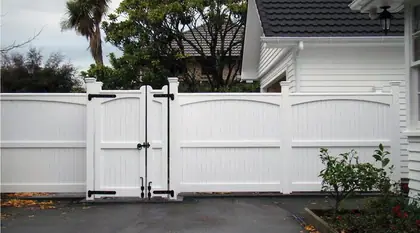
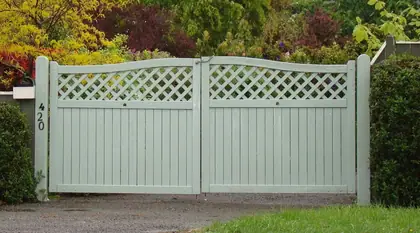
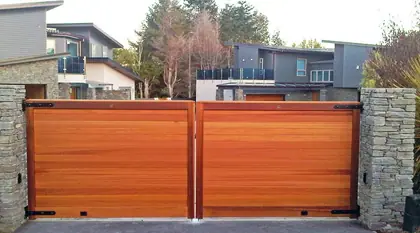
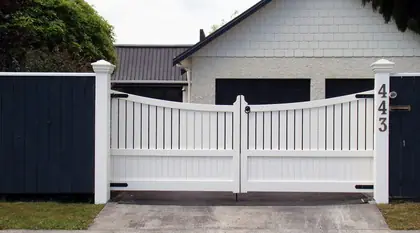
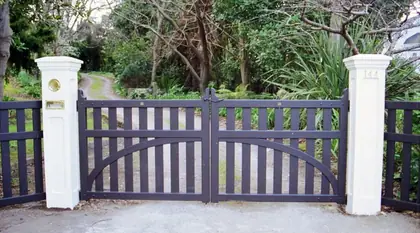
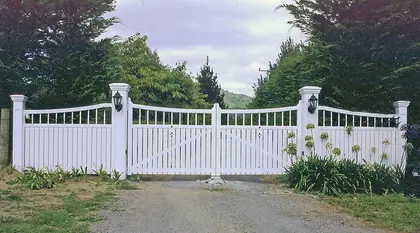
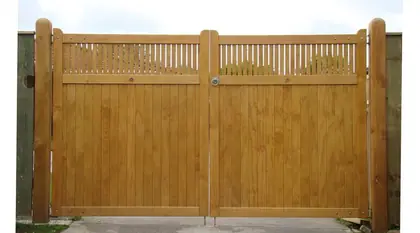
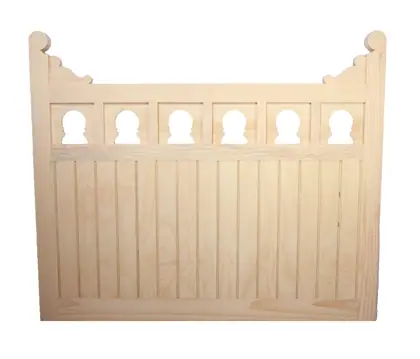
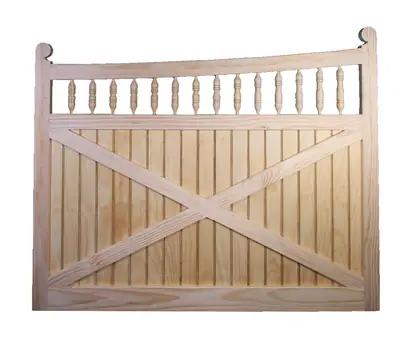
Our named gate patterns include Canterbury, Hawthorn, Kensington, East, June, Laura, Renmark, Swan, Roy, Jabiro, Marree, Coler, Emerald, Bourke, Orbost, Roma, Penola, Cooper, Hopeton, Robe and Veneer. They run from open pickets that keep the sightline through to the garden, to close-boarded gates where privacy comes first. Panelled and arched patterns suit Victorian, Federation and Edwardian frontages because they repeat joinery already on the verandah; a diagonally braced farm gate suits acreage and rural blocks. A gate is judged against the fence either side of it, so it usually pays to match the picket profile — there are photographs of period front fencing to work from.
Gates are made to order. Give us the clear opening and the required height, and tell us whether you need a single gate or a matched pair for a driveway. Label these as opening measurements, then confirm the finished gate-leaf dimensions and hardware allowances before manufacture. Posts are not included: each gate is made to hang between posts you already have or are setting, so tell us the post size and spacing you are working to.
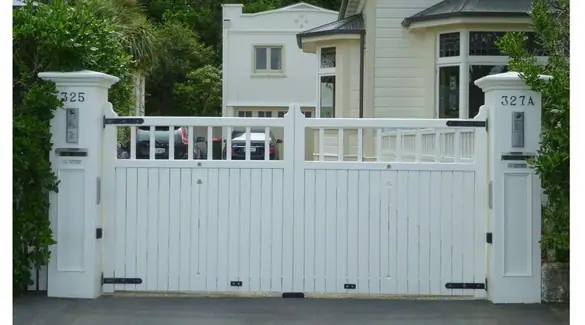
Our gates are made from LOSP H3 treated pine, rated for outdoor use above ground. As external LOSP H3 treated pine used above ground, our gates carry our 25 year guarantee. Hardware deserves the same attention as the joinery: heavy-duty galvanised or stainless steel hinges spread the load and stop a heavy gate dropping out of square.
Measure the clear width between the posts or fence returns at the top and again at the bottom — old timber and settled masonry rarely give the same number twice. Note the height you want, whether the ground falls across the opening, and which way the gate should swing. Include photographs of both posts, the fence profile and the ground through the intended swing. Our timber gate opening guide helps separate the opening measurements from the gate specification. If automation is planned, include the equipment requirements in the enquiry and confirm them with the installer.
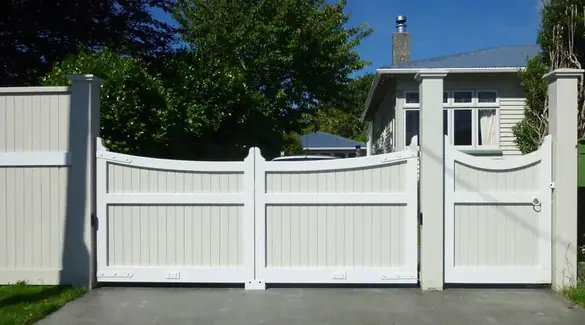
Width and height, how much decorative detail the design carries, the hardware and hinges, whether it has to work with automation, and the finishing. A pedestrian side gate is the smallest job; a wide driveway pair or an ornate heritage gate takes far more material and labour. Send measurements, photographs, a preferred style and the delivery postcode through our quote enquiry, and we will quote it free.
Yes. A lych gate is a roofed entrance, and the substantial timber roof is the point of it — a far more formal arrival than a standard gate. Ours are the Amaroo (AMA) and Kenmure patterns. Wrought iron enhancements can be added to either, or to a standard gate: gate tops for single or double gates, ornate peep-hole inserts and decorative rosettes.
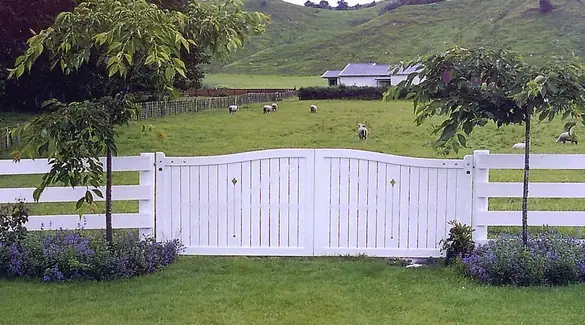
Apply two thin coats of oil-based primer to all six faces — including the top and bottom edges and every cut end — before the gate is hung. Those are the edges that fail first. LOSP treatment carries solvents that an oil-based primer bonds with, so acrylic will not do the same job at that stage. Keep the timber dry, leave it at least 72 hours after delivery to acclimatise, then apply two or three thin topcoats.
Ask about our timber-profile matching service and send a photograph or sample of the gate you are replacing. Australian made, delivered to your home or site. Call 03 9720 1996.
In place
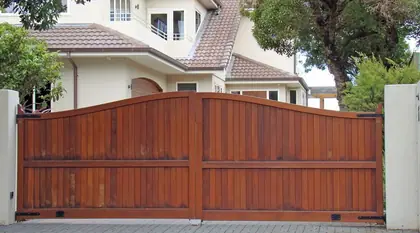
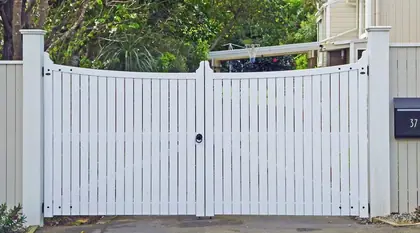
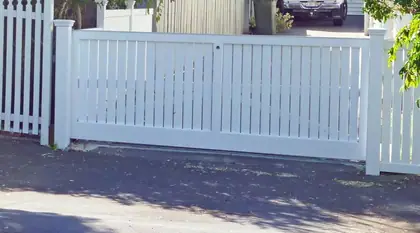
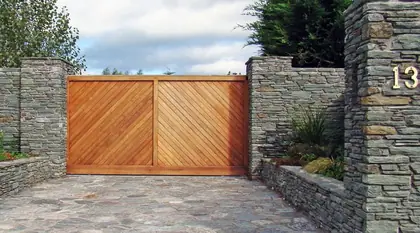
Talk to the workshop
No. Posts are not included.
Yes. All our gates are custom made in Australia to meet your specific size and style requirements.
Workshop photographs and finished work
Assembly photographs and finished gate examples from our workshop and product archive.
See gates being madeBench work, completed panels and documented interior and verandah components.
See fretwork being madeSeven matching examples showing surviving pieces beside new timber work.
Compare before and afterA gate is the one part of a period frontage that people touch, so it has to look right from the street and still swing true in ten years. Every gate Heritage & Decorative Timber Products makes is custom made in Australia to your size and style — there are no stock widths. The named patterns run past twenty, among them Canterbury, Hawthorn and Kensington. Posts are not included.
Made to your measurements. Send the opening width and height in millimetres for a quote. See ASPEN-GATE in the shop for current pricing and quote options.
Made to your measurements. Send the opening width and height in millimetres for a quote. See HAWTHORNE-GATE in the shop for current pricing and quote options.
For a timber gate kit quote, send the opening width, preferred height and photographs of the posts.
Check how to measure the opening before sending photos and dimensions.
Made-to-measure pedestrian timber gates start at $925. Timber gate kits are quoted separately based on the opening, design and parts needed.
At Heritage Decorative Timber, we are the best choice for period timberwork when the details of your project matter.
Heritage Decorative Timber supplies made-to-measure pedestrian timber gates from $925. Canterbury, Hawthorn and Kensington are examples from the range. Timber gate kits are quoted separately. Send the clear opening width, preferred height and delivery postcode, and ask us to itemise the kit components and hardware for the selected design.
Measure the clear width between the inside faces of the posts at ground level. Also check the width higher up, then record the overall gate height you want and any change in driveway level. Send the opening measurements before deducting hardware clearances.
Start with the clear passage you need for people, bins or garden equipment. If the posts are already in place, measure their inside faces and show the hinge and latch sides in a photo.
A single leaf gives one continuous opening but needs room to swing through its full width. A pair splits the swing between two leaves. Send the opening width, available swing space and driveway photos so the workshop can assess the layout.
Check the ground level through the entire proposed swing, not just under the closed gate. Send a side photo and the difference in level. The swing direction and bottom clearance affect what can be made to fit.
Send a straight-on photo of the fence and close-ups of the picket tops, rails and spacing. Include the opening width and intended gate height so the workshop can assess which details can be carried across.
Ask for an itemised quote that states which leaves, posts, hinges and latches are included. Also check finish, freight and installation separately so you can compare the same scope between quotes.
Compare how much of the gate is solid and how much is open. A boarded design can block more of the view than open pickets. Show the exposed site and desired height so the workshop can consider the design and hardware together.
Send the clear opening width at several heights, photos of each post and hinge, and details of any lean or movement. Have the posts assessed for condition and suitability before relying on them for a replacement gate.
Draw the opening as seen from the street, label the hinge side and add an arrow for the proposed swing. Mark nearby walls, steps or parked cars that may get in the way.
Send the clear opening width, desired overall height, single or double leaf preference, swing direction and postcode. Add photos of the opening, posts and any fence detail you want to match.